22.06.2026
In recent years, remote work has become an increasingly popular alternative to traditional office-based employment. Thanks to tech advancements and developments in the way we work, people are now able to work from anywhere in the world. This trend is particularly prevalent in the UK, where remote work is becoming an increasingly viable option.
Over the years, Droxic has had the honor of collaborating with key players in various sectors in the UK. This includes leading brands in oil & gas, e-commerce, finance, etc. Even though the pandemic is mostly behind us after nearly a year, remote work appears to have become permanent. Nevertheless, is this assumption accurate?
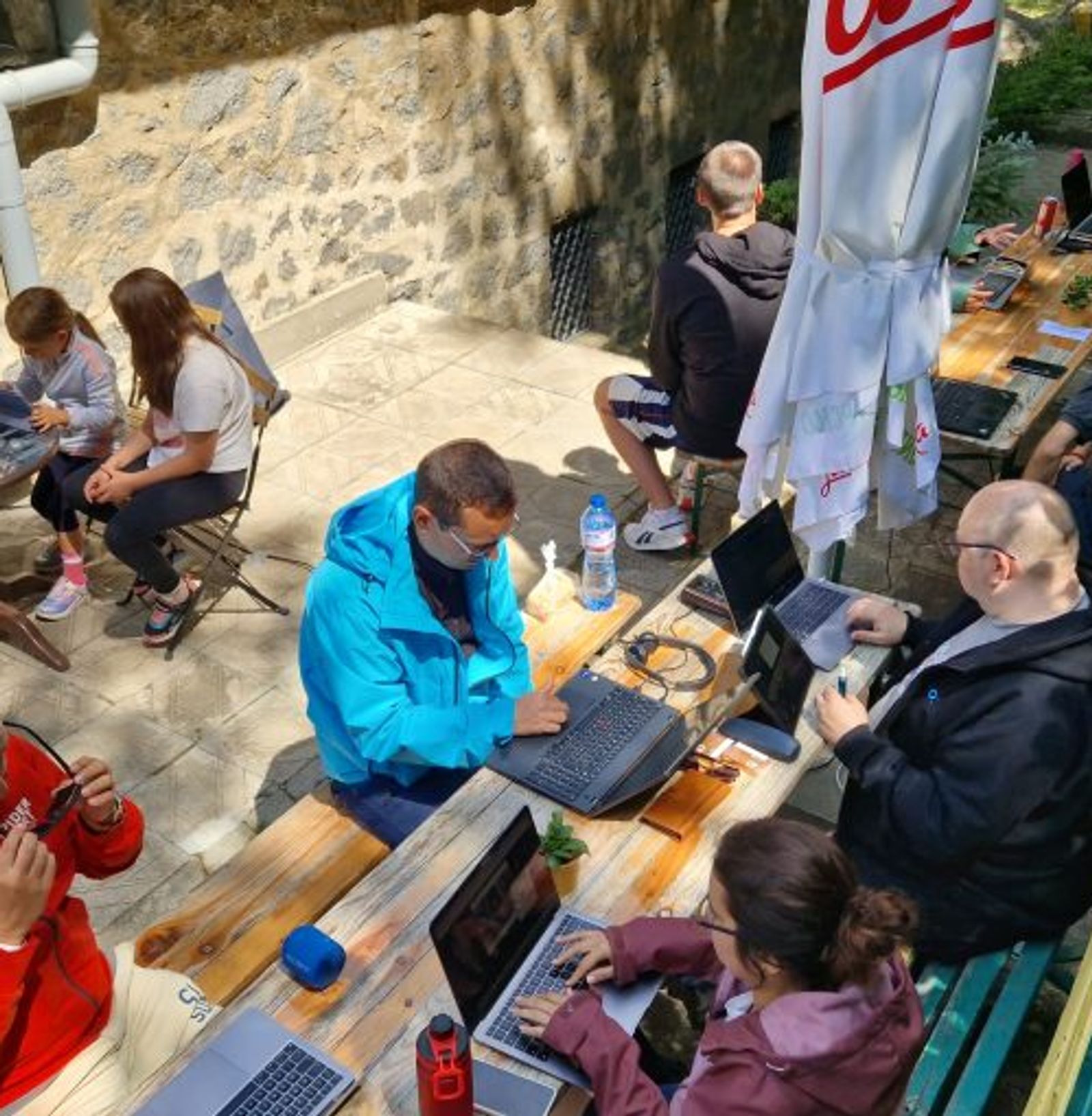
In this blog post, we will explore the top 3 remote work trends emerging in the UK market, and not only. From the rise of co-working spaces to the adoption of digital nomadism, we will delve into the latest developments and examine how they are shaping the way we work. We will also explore the benefits of remote work. However, the United Kingdom, like many other countries, is witnessing a gradual shift in the work landscape. This raises the question of why people are slowly making their way back to the office after an extended period of remote work from home.
Digital nomads have always been popular and the global pandemic has accelerated this trend. This is leading to an increasing number of people who travel and work remotely from various locations. According to Euronews‘ article, the UK is ranked as one of the most expensive countries in the world with an average cost of living of £1,461 (€1,652) per month. Consequently, it is not a surprise that 1 in 10 British people relocate to look for a better quality of life.
Interestingly, these British nomads make up approximately 8% of the global digital nomad population. With high quality of life and much lower cost of living than the UK, Brits choose many European countries to work from. Many Eastern Europeans who worked in the UK prior to the pandemic, took the opportunity to return home. The reason for this are the more affordable living expenses there. We are curious to see whether this trend is here to stay.
Work-life balance has consistently been a widely discussed subject in the UK, with ongoing efforts to address employee burnout. The pandemic has intensified these discussions, garnering attention from British mental health experts. However, recently Forbes Advisor surveyed 1,175 British workers, in February 2023. Тhe research discovered that 54% would accept a lower-paid job in exchange for a better work-life balance.
Despite the pandemic and the increased potential to improve work-life balance, numerous professionals still face difficulties. Balancing work demands makes it tough to disconnect from your laptop. Hence, the other questions arise. Does work-life balance truly achieve ‘real balance’ in the UK, or is it merely a facade?
While remote work has become the ‘new normal’, many are anticipating a return to the office at least for a couple of days. According to recent Guardian’s research, the most common working pattern was that 31 % of the professionals work from the office 2 days a week. A LinkedIn research revealed that one third of the UK companies are trying to eliminate the flexible work policies. This leads to a surge in employees considering job changes.
At Droxic, a company specializing in IT services, remote work with our UK clients is not a new concept. We have cultivated long-term partnerships with these businesses. Our developers and teams have demonstrated their abilities and seamless integration, irrespective of physical location. Our colleague, George Georgiev would be happy to share more about out recent projects, so do not hesitate to contact him.